
TakaTaka Grab
“Elevating sport to climate action at scale” Tiago Cortez, founder
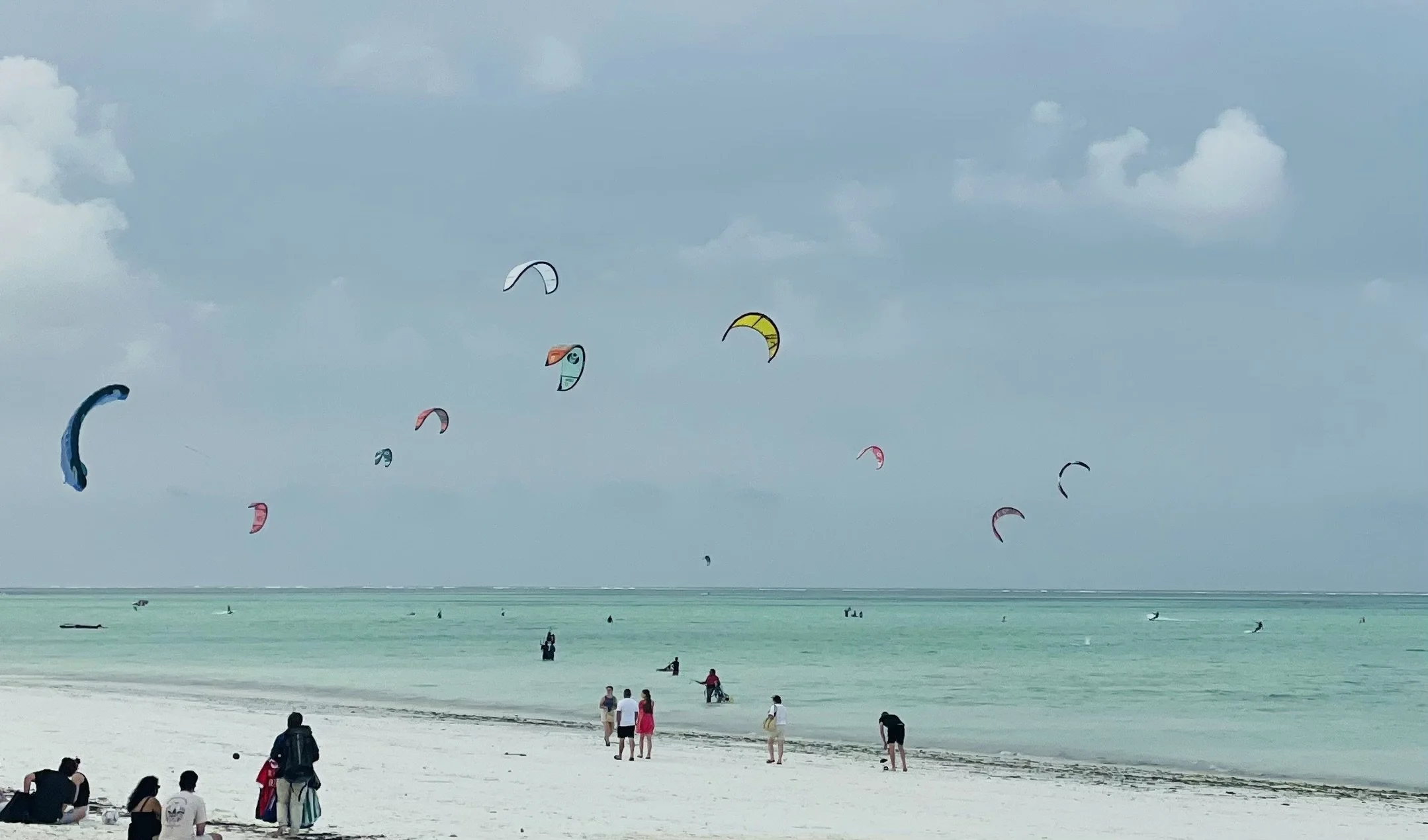
Paje, Zanzibar Kite Beach
The Challenge
Marine plastic pollution has reached crisis levels, with over 8 million tons of plastic waste entering our oceans annually — equivalent to dumping a garbage truck of plastic into the sea every minute. This relentless influx has created massive accumulation zones like the Great Pacific Garbage Patch, now twice the size of Texas, while microplastics have infiltrated every level of marine ecosystems.
Scale and Impact
Environmental Consequences: Marine life faces unprecedented threats through entanglement, ingestion, and habitat destruction. Over 800 species are directly affected by plastic pollution, with seabirds, sea turtles, and marine mammals suffering mortality rates that threaten population stability. Microplastics have contaminated the entire food chain, from plankton to apex predators.
Human Health Implications: Plastic particles and associated toxins are now present in seafood, sea salt, and drinking water worldwide. The long-term health effects of chronic microplastic exposure remain largely unknown but potentially severe.
Economic Burden: Ocean plastic pollution costs the global economy an estimated $139 billion annually through impacts on fisheries, tourism, shipping, and coastal cleanup efforts.
Root Causes
The crisis stems from systemic failures in waste management infrastructure, overconsumption of single-use plastics, inadequate recycling systems, and the fundamental mismatch between plastic production rates and end-of-life solutions. Land-based sources account for 80% of marine plastic pollution, primarily through rivers, stormwater systems, and inadequate waste collection in coastal regions.
Urgency
Current plastic production is projected to quadruple by 2050 without intervention. The window for preventing irreversible ecosystem collapse and establishing sustainable waste management systems is rapidly closing, demanding immediate, coordinated global action across production, consumption, and waste management systems.It all begins with an idea. Maybe you want to launch a business. Maybe you want to turn a hobby into something more. Or maybe you have a creative project to share with the world. Whatever it is, the way you tell your story online can make all the difference.
Globally there are 1.5million kite surfers and 6-10million active scuba divers annually. There are 100,000- 150,000 active dive instructors and 20,000 kite surf instructors. .
A Solution: TakaTaka Grab
Kitesurf & Diving instructors, who dedicate countless hours to daily teaching, often face a lot of trash on the beach and in the water..
We encourage instructors, diving & kitesurf schools in key beach areas to collect trash using a TakaTaka Grab whenever they go into the water.
By doing so, they become role models, inspiring other riders to join the cause of preserving cleaner oceans. They encourage students to join this movement alongside them .
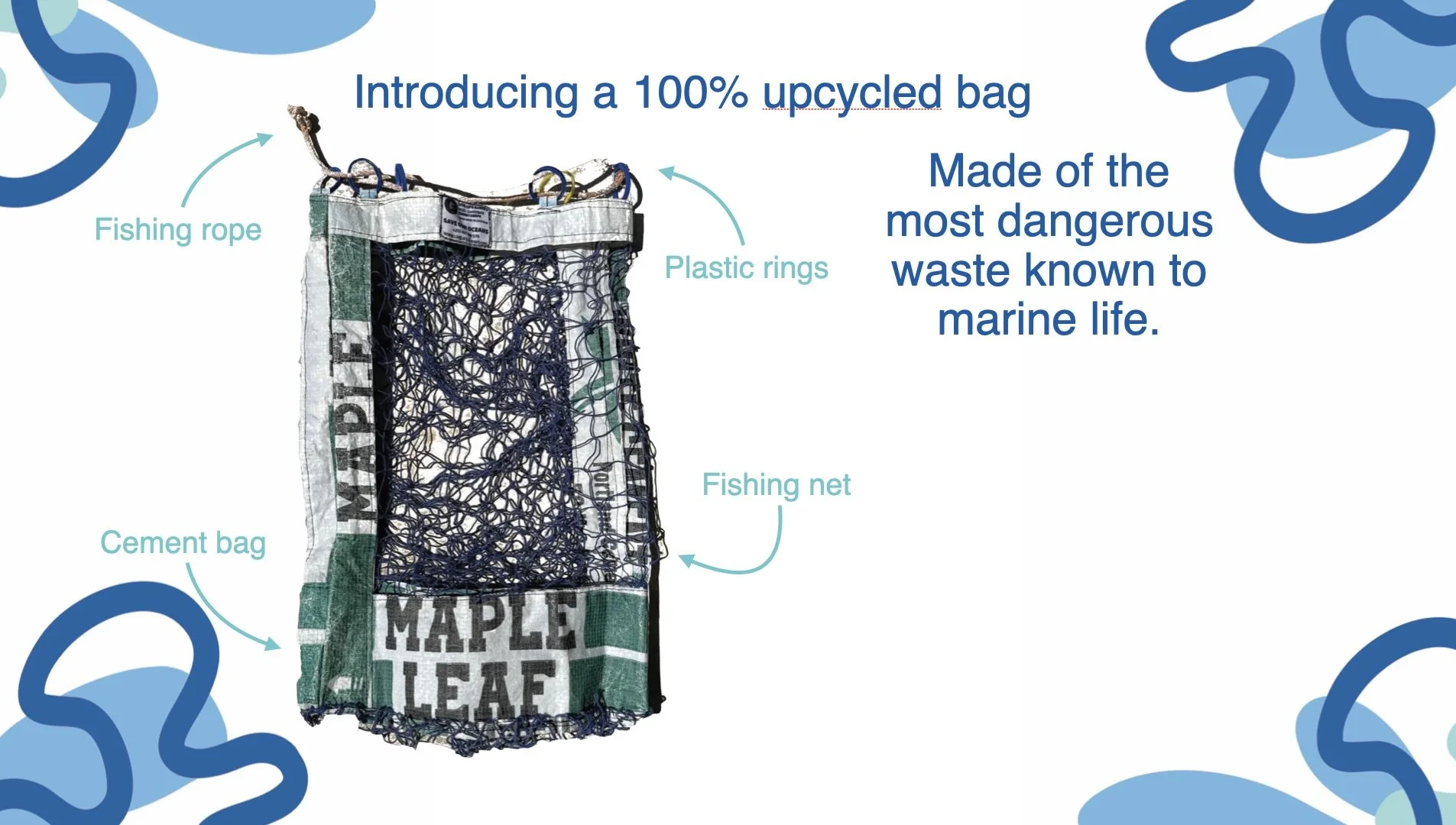
The “Grab Bag” is made of 100% recycled materials and gets turned in to a network of validated recycling sites.